venture
TUVA — From Swift Prototype to 10,000 Users
Overview
- Period: 2014–2016
- Role: Founder and mobile product developer
- Delivery: Product concept, native applications, backend integrations, analytics, and launch
- Early traction: 10,000 users within three weeks
TUVA was my first experience of owning an entire digital product rather than a feature or technical component. I took a neighborhood-safety concept from early sketches to native iOS and Android applications, a working backend, real-time communication, and measurable user adoption.
Data and analytics were part of the product from the beginning. Mixpanel and Google Analytics helped me understand onboarding, invitations, activation, and where engagement weakened after the initial growth.
What I personally owned
- Product concept, prioritisation, prototypes, and the initial roadmap
- Native iOS development in Swift and Android development in Java
- Map-based neighborhood areas, incident reporting, media uploads, and notifications
- Parse and MongoDB backend design, with Heroku deployment
- Twilio-based SMS invitations and communication flows
- Product instrumentation with Mixpanel and Google Analytics
- User feedback, launch iteration, and early discussions around financing and business models
Product and architecture
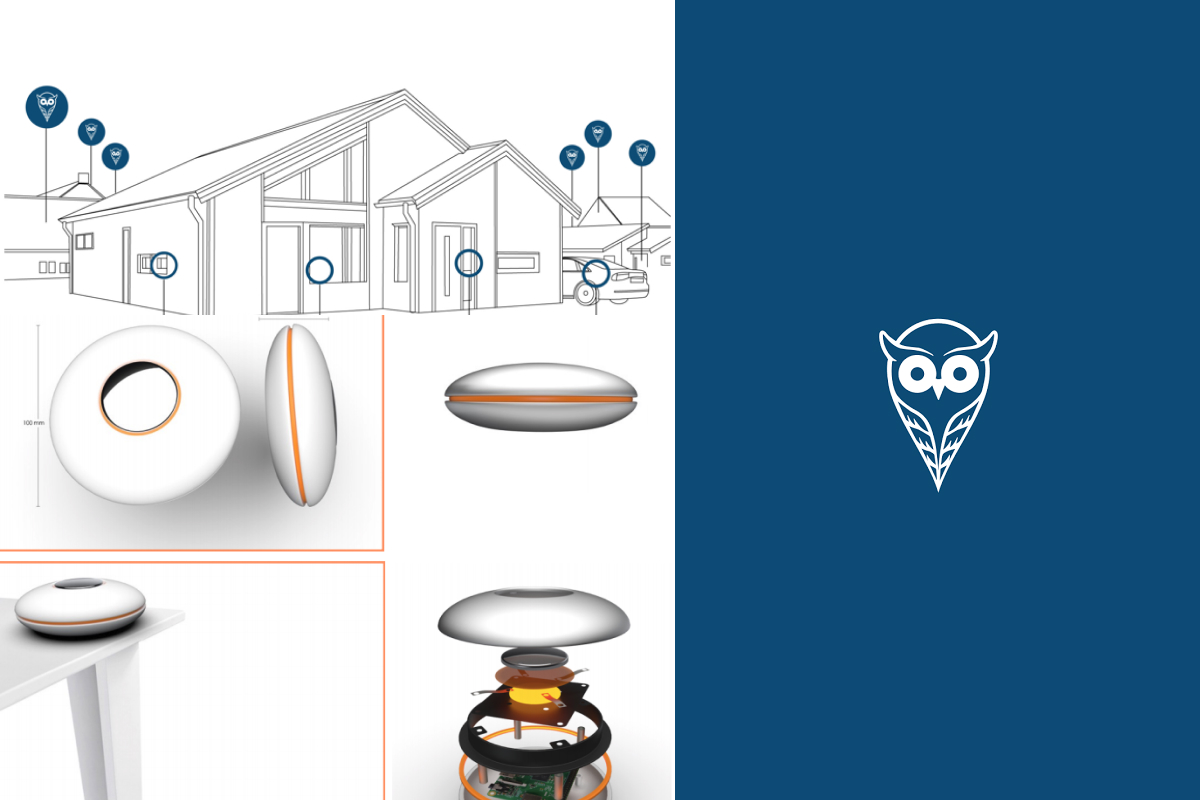
The product connected people within defined neighborhood-watch areas. Users could invite nearby residents, see their area on a map, submit structured incident reports, attach images, and receive relevant notifications.
I chose native Swift and Java applications to create a dependable mobile experience. Parse and MongoDB provided a flexible backend for user, location, and report data, while Twilio handled invitation and messaging flows. The stack was deliberately pragmatic: it let me move from prototype to a real user base quickly while still capturing behavioural data from launch.
Stack: Swift · Java · Parse · MongoDB · Heroku · Twilio · Mixpanel · Google Analytics · Sketch
Outcome and lessons
The invitation model created a strong early network effect and brought 10,000 users into the product within three weeks. That traction also exposed the harder part of community products: acquisition alone did not guarantee sustained local activity, content density, or a durable business model.
TUVA taught me to separate growth from retention, instrument products before launch, and treat financing as part of product strategy rather than a solution to unclear economics. It also established a pattern that still defines how I work: build the system, observe real behaviour, and let evidence shape the next decision.
Looking for the continuation of this journey? See how that product-and-data foundation developed into an enterprise ML and data platform and production agentic infrastructure.
Want to compare notes?
I am always interested in thoughtful conversations about the decisions, trade-offs, and systems behind this work.
Get in touch